The physics of baking involves the application of scientific principles to the practice of baking. Some key concepts that are relevant to baking include heat transfer, thermodynamics, and the behavior of gases.
Heat transfer is an important concept in baking because it determines how quickly and evenly a food will cook. In baking, heat is typically transferred from the oven to the food by conduction, convection, or radiation.

Conduction is the transfer of heat through direct contact, such as when the bottom of a cake pan is placed on a hot oven rack. When conduction occurs in baking, the heat from the oven is transferred directly to the surface of the food, causing it to cook.
Convection is the transfer of heat by the movement of a fluid, such as when hot air circulates in an oven. When convection occurs in baking, the hot air in the oven moves around the food, transferring heat to it and cooking it evenly.
Radiation is the transfer of heat by electromagnetic waves, such as when heat from the oven's heating element is radiated onto the food. In baking, radiation occurs when the heat from the oven's heating element is transferred to the food, cooking it from the outside in.
Thermodynamics is the study of heat and its relationship to other forms of energy. In baking, thermodynamics is relevant because it helps to explain how heat is transferred from one body to another and how this transfer affects the physical properties of the food.
One key principle of thermodynamics that is relevant to baking is the fact that heat always flows from a hotter body to a cooler body. This means that when heat is applied to dough, for example, the heat will be transferred from the oven to the dough, causing the temperature of the dough to increase.
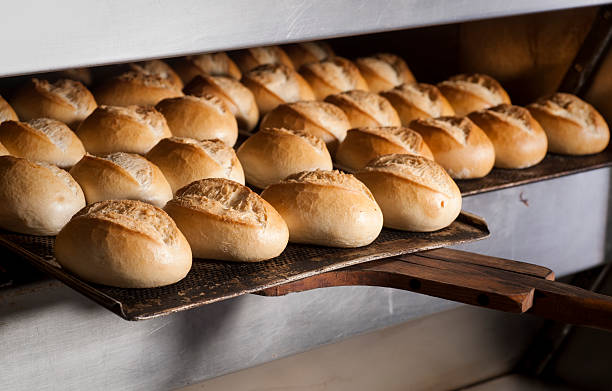
Another method of leavening is the use of natural leaveners, such as yeast and sourdough starter. These leaveners produce gases, such as carbon dioxide, through a process of fermentation. This can cause the dough or batter to rise and expand, giving the baked goods a distinctive flavor and texture.

Overall, the physics of baking involves the application of scientific principles to understand and control the processes that take place during baking, in order to produce the desired result.
Heat transfer is an important concept in baking because it determines how quickly and evenly a food will cook. In baking, heat is typically transferred from the oven to the food by conduction, convection, or radiation.

Conduction is the transfer of heat through direct contact, such as when the bottom of a cake pan is placed on a hot oven rack. When conduction occurs in baking, the heat from the oven is transferred directly to the surface of the food, causing it to cook.
Convection is the transfer of heat by the movement of a fluid, such as when hot air circulates in an oven. When convection occurs in baking, the hot air in the oven moves around the food, transferring heat to it and cooking it evenly.
Radiation is the transfer of heat by electromagnetic waves, such as when heat from the oven's heating element is radiated onto the food. In baking, radiation occurs when the heat from the oven's heating element is transferred to the food, cooking it from the outside in.
Thermodynamics is the study of heat and its relationship to other forms of energy. In baking, thermodynamics is relevant because it helps to explain how heat is transferred from one body to another and how this transfer affects the physical properties of the food.
One key principle of thermodynamics that is relevant to baking is the fact that heat always flows from a hotter body to a cooler body. This means that when heat is applied to dough, for example, the heat will be transferred from the oven to the dough, causing the temperature of the dough to increase.
Another key principle of thermodynamics that is relevant to baking is the fact that heat can cause a change in the physical properties of a substance. In baking, this principle is relevant because the heat from the oven can cause the water in the dough to evaporate, which in turn causes the dough to rise. The heat can also cause chemical reactions to take place in the dough, such as the production of gases, which can affect the texture and structure of the baked goods.
In baking, the behavior of gases is relevant because the production of gases, such as carbon dioxide and steam, can cause the dough or batter to rise and expand, giving the baked goods their characteristic texture and structure. This process is known as leavening, and there are several different methods that can be used to produce leavening gases in baked goods.
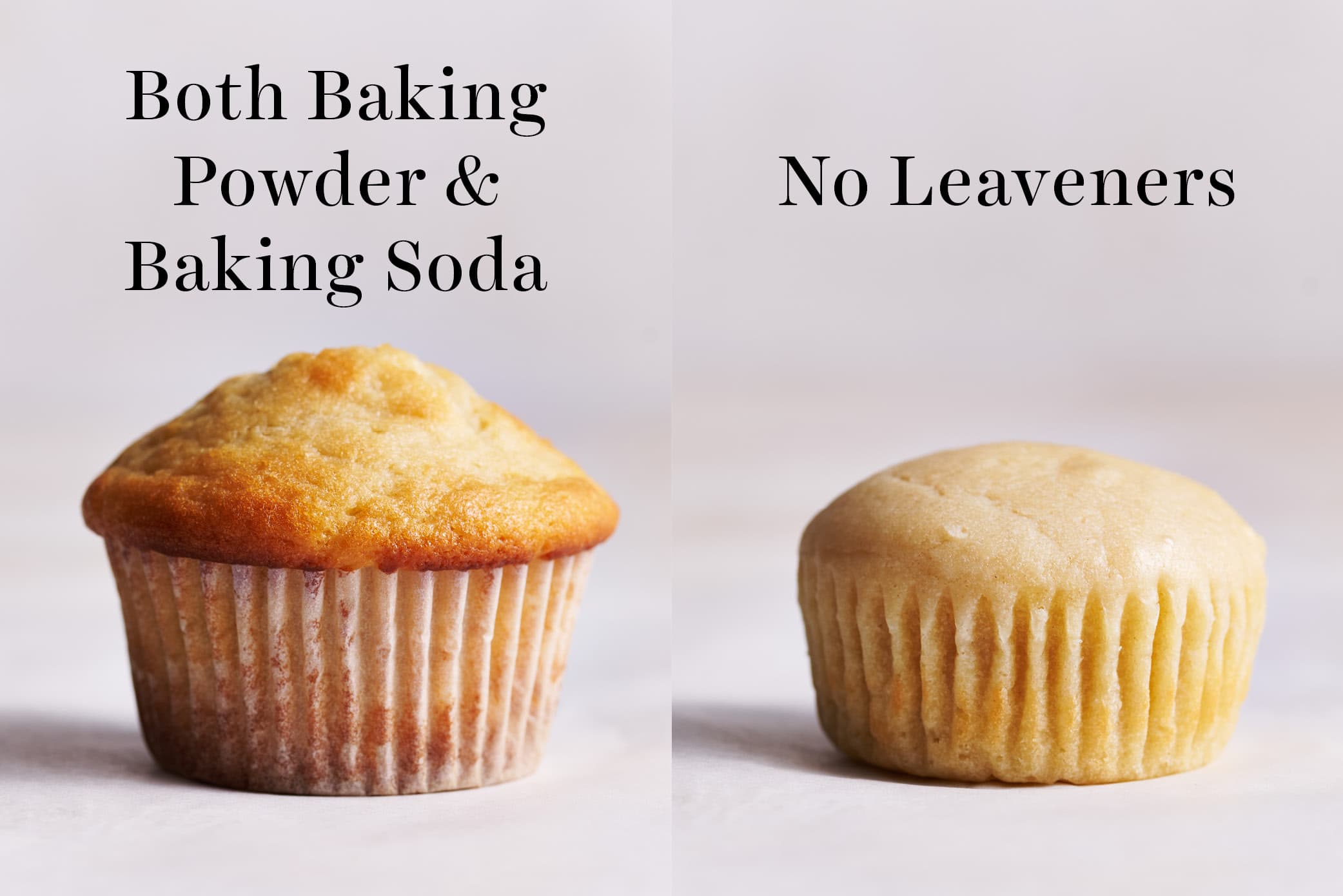
One method of leavening is the use of chemical leaveners, such as baking powder and baking soda. These leaveners produce gases, such as carbon dioxide, when they are mixed with liquid ingredients and heated. This can cause the dough or batter to rise and expand, giving the baked goods a light and airy texture.
In baking, the behavior of gases is relevant because the production of gases, such as carbon dioxide and steam, can cause the dough or batter to rise and expand, giving the baked goods their characteristic texture and structure. This process is known as leavening, and there are several different methods that can be used to produce leavening gases in baked goods.
One method of leavening is the use of chemical leaveners, such as baking powder and baking soda. These leaveners produce gases, such as carbon dioxide, when they are mixed with liquid ingredients and heated. This can cause the dough or batter to rise and expand, giving the baked goods a light and airy texture.
Another method of leavening is the use of natural leaveners, such as yeast and sourdough starter. These leaveners produce gases, such as carbon dioxide, through a process of fermentation. This can cause the dough or batter to rise and expand, giving the baked goods a distinctive flavor and texture.
Overall, the physics of baking involves the application of scientific principles to understand and control the processes that take place during baking, in order to produce the desired result.
References;
- Barham P., The Science of Cooking, 2000, Springer, Berlin
- Barham P: Physics in The Kitchen, 2013, Springer
- Leavening: An Introduction to Gases , http://cccscuriouskitchen.com/leavening-an-introduction-to-gases/
- Ready, Set, Bake, https://physicsworld.com/a/ready-set-bake/
- Gray E., Physics & Baking , https://prezi.com/msubzrnowli0/physics-amp-baking/
Comments
Post a Comment