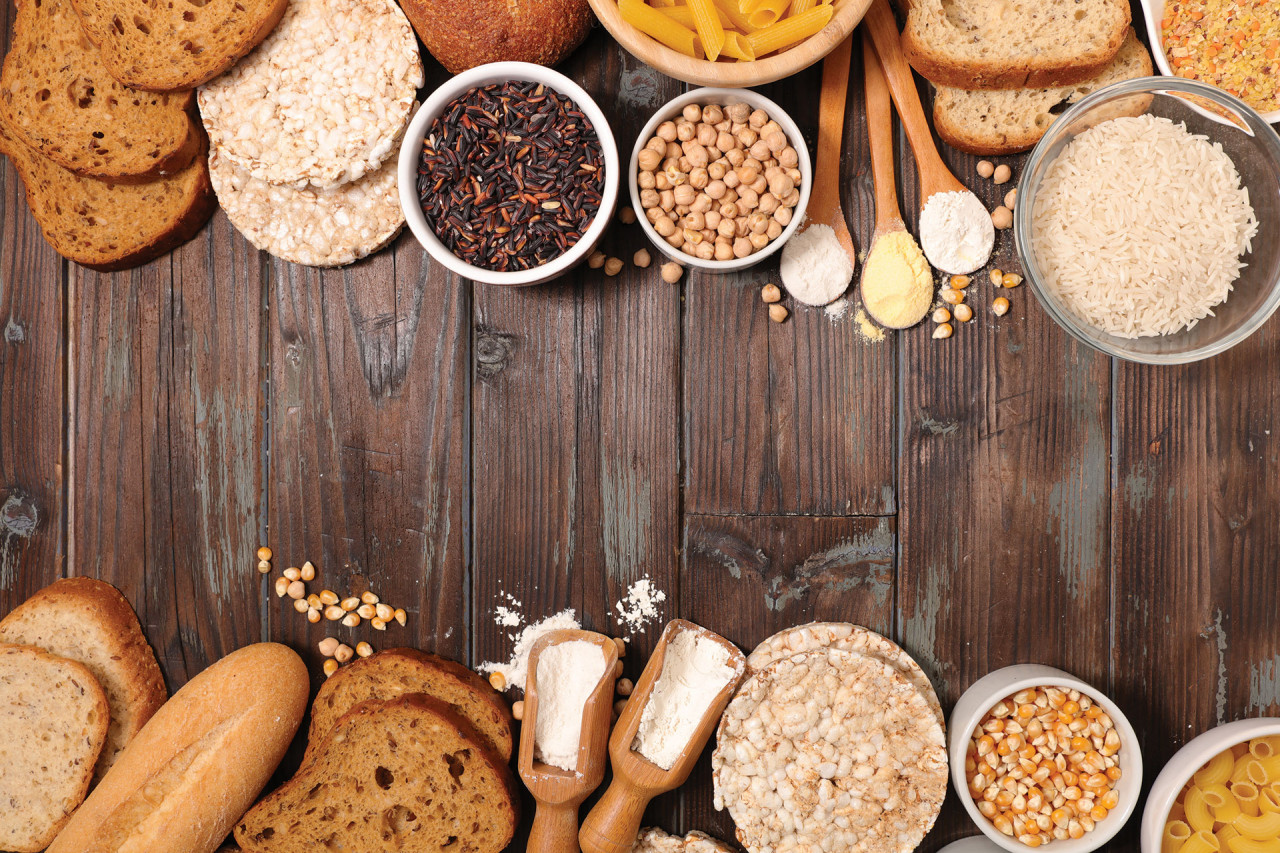
Gluten: A Benefit or Harm to the Body?
Gluten is the main storage protein of wheat grains and is a mixture of gliadin and glutenin.
Gluten which forms bone of dough and effects dough characteristics greatly,
has an elastic and plastic structure.
Gluten which forms bone of dough and effects dough characteristics greatly,
has an elastic and plastic structure.
Food containing gluten:
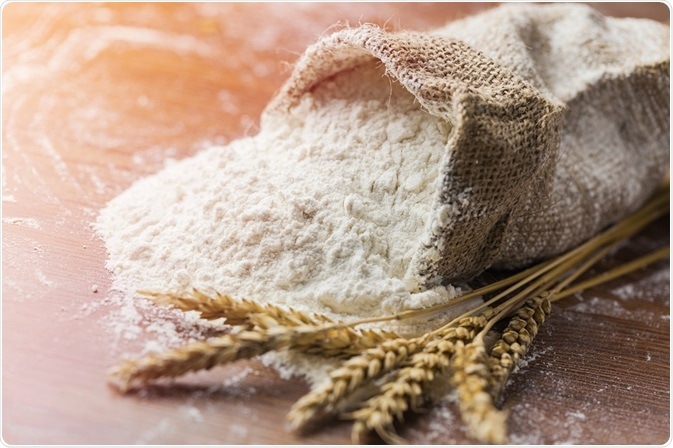
- Wheat, barley, rye, and their products
- Pasta, bulgur, semolina, biscuit, pastry, crackers
- Some spice mixtures, salad dressings, prepared soups
- Beer, barley and malt drinks
Gluten-free foods:

- Rice
- Cotato
- Corn
- Beans
- Lentil
- Meat, chicken, fish
- Fruits and vegetables
Celiac Disease is a chronic intestinal disease where the ingestion of gluten
leads to damage in people with gluten intolerance.Digestive signs and symptoms
for adults include:
leads to damage in people with gluten intolerance.Digestive signs and symptoms
for adults include:
- Diarrhea
- Fatigue
- Weight loss
- Bloating and gas
- Abdominal pain
- Nausea and vomiting
- Constipation
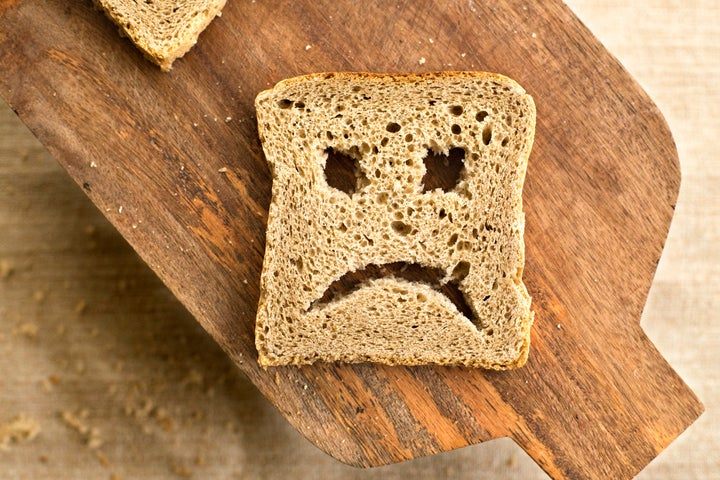
Celiac disease affects each person differently. Symptoms may occur in the digestive system, or in other parts of the body. One person might have diarrhea and abdominal pain, while another person may be irritable or depressed.
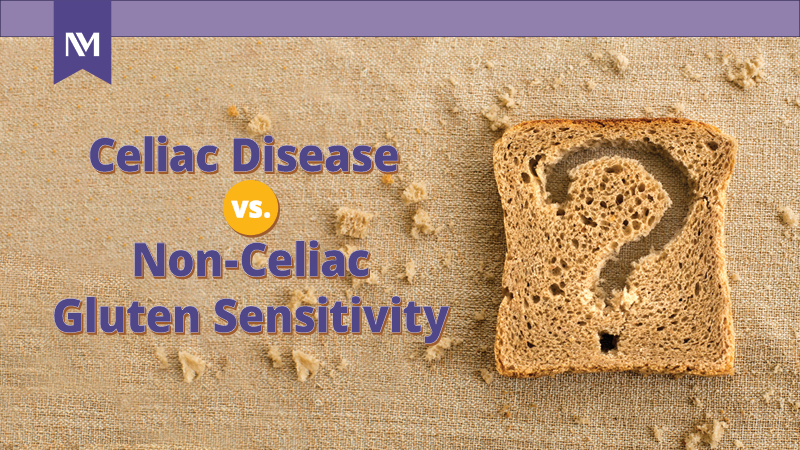

Gluten-free may be the biggest health trend of the past decade, but there’s confusion over whether gluten is problematic for everyone.Millions of people to give up gluten in hopes of losing weight, improving mood, and getting healthier. Although there are many studies on the health effects of the gluten-free diet, the benefits gluten-free diet on healthy individuals are not clear. When there is no underlying gluten-related disease, the availability of gluten-free products, psychological and social difficulties and financial burden of a gluten-free diet, the effect of gluten free-diet on bowel health and immune system functions must be considered.
The gluten-free diet has been proven to be extremely poor in carbohydrate, iron, folate, niacin, zinc and fiber content. In addition, some gluten-free products may have higher energy and fat content than standard products. In the gluten-free diet, it has been proved by the studies that beneficial bacterial species in the intestine are reduced and harmful bacterial species increase.
Comments
Post a Comment