Milk
Cow milk is one of the most commonly consumed food item . Some people can’t or choose not to
drink milk due to personal preferences, dietary restrictions, allergies, or intolerances.
Plant-based milk may be a good choice for people looking for dairy-free alternatives.
Another reason is consumers are searching for environmentally friendly, sustainable, healthy,
animal-friendly options.
drink milk due to personal preferences, dietary restrictions, allergies, or intolerances.
Plant-based milk may be a good choice for people looking for dairy-free alternatives.
Another reason is consumers are searching for environmentally friendly, sustainable, healthy,
animal-friendly options.
Should Plant-Based Milk Call Themselves “Milk”?
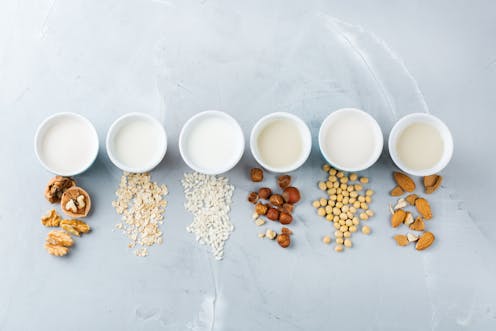
Not everyone agrees on what alternatives to cow’s milk should be called. According to the FDA
“Milk is the lacteal secretion, practically free from colostrum, obtained by the complete milking
of one or more healthy cows.’’ The FDA has concerns that the labeling of some plant-based
products may lead consumers to believe that those products have the same key nutritional
attributes as dairy products, even though these products can vary widely in their nutritional
content. Definition of milk is the normal mammary secretion of milking animals obtained from
one or more milkings without either addition to it or extraction from it, intended for consumption
as liquid milk or for further processing by Codex Alimentarius. Plant-based milk substitutes are
essentially suspensions of dissolved and disintegrated plant material and extracts in water.
Therefore some people do not call these products as milk.
“Milk is the lacteal secretion, practically free from colostrum, obtained by the complete milking
of one or more healthy cows.’’ The FDA has concerns that the labeling of some plant-based
products may lead consumers to believe that those products have the same key nutritional
attributes as dairy products, even though these products can vary widely in their nutritional
content. Definition of milk is the normal mammary secretion of milking animals obtained from
one or more milkings without either addition to it or extraction from it, intended for consumption
as liquid milk or for further processing by Codex Alimentarius. Plant-based milk substitutes are
essentially suspensions of dissolved and disintegrated plant material and extracts in water.
Therefore some people do not call these products as milk.
Most importantly, be sure you understand the nutrition behind the choices you make.
What are The Best Plan-Based Alternatives to Dairy Milk?
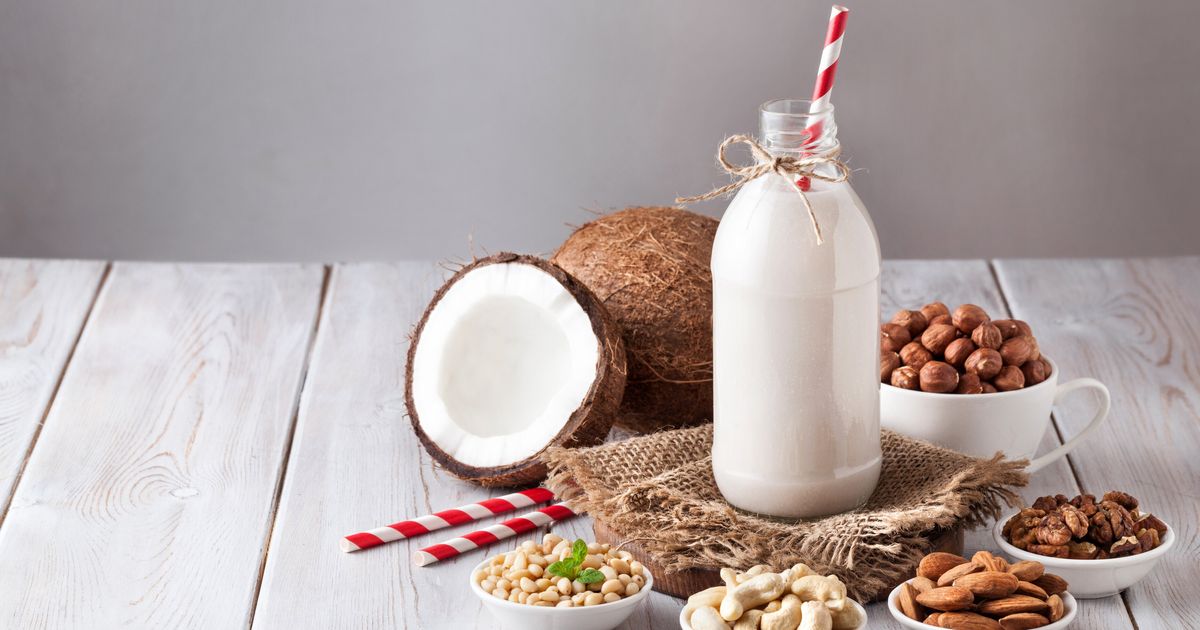
That’s up to you, and what you want out of your beverage. Some are higher in protein, calcium,
and nutrients, and others may be more appealing to your tastes. Remember, too, that you should
avoid milk with added sweeteners.
and nutrients, and others may be more appealing to your tastes. Remember, too, that you should
avoid milk with added sweeteners.
Pros and Cons of Cow’s Milk and Non-Dairy Beverages

NUTRITION ISSUES IN GASTROENTEROLOGY, SERIES #171
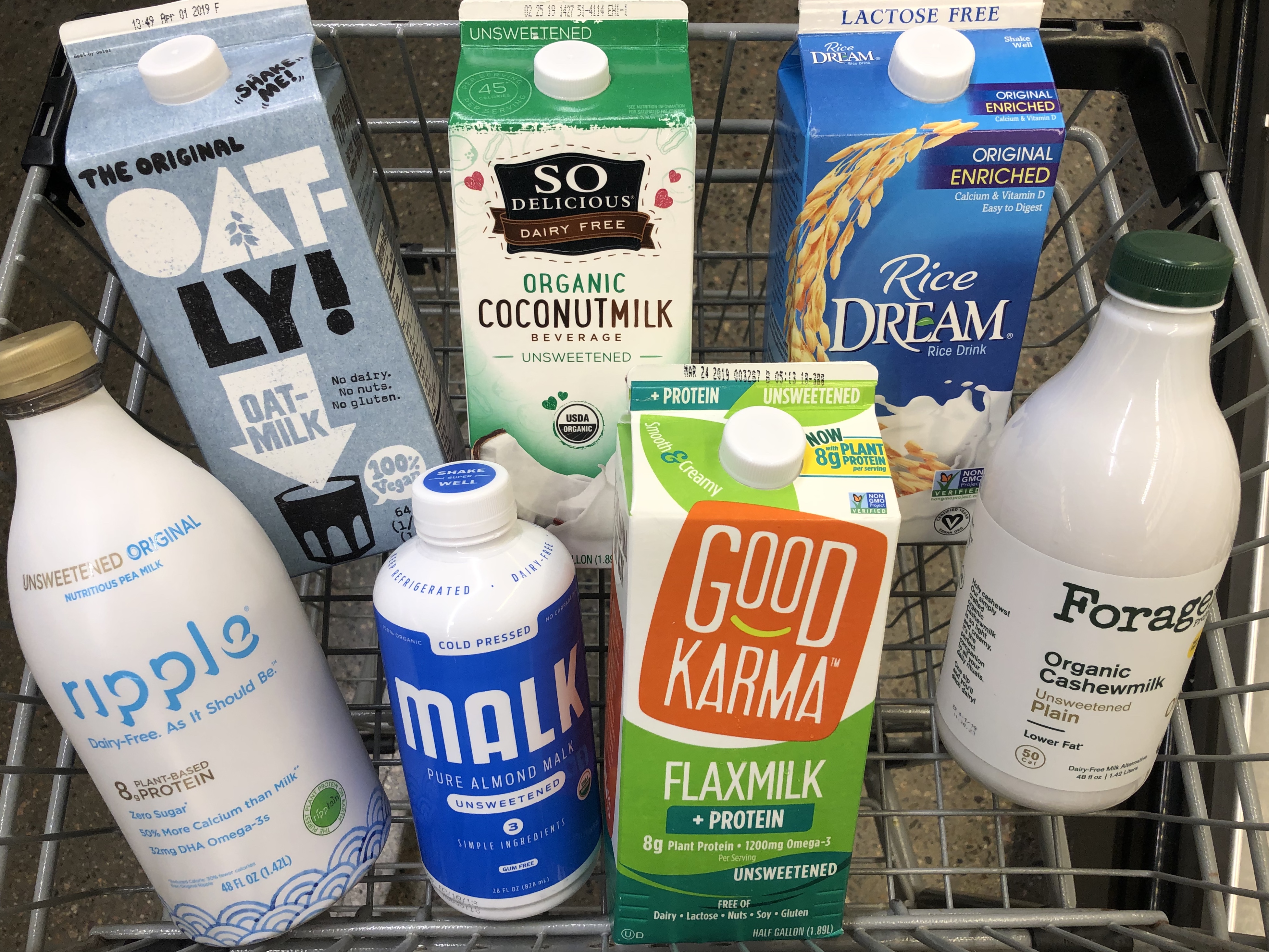
During recent years non-dairy milk types, such as soymilk, coconut milk, almonds milk, mill milk,
rice milk, and oat milk, have been an increased demand from consumers due to their high
functional properties. There are a few things to consider when choosing a cow’s milk alternative,
including nutrient content, added sugars, and additives. Reading food labels will help you
understand what’s in the milk you are buying.
rice milk, and oat milk, have been an increased demand from consumers due to their high
functional properties. There are a few things to consider when choosing a cow’s milk alternative,
including nutrient content, added sugars, and additives. Reading food labels will help you
understand what’s in the milk you are buying.
References
- https://practicalgastro.com/wp-content/uploads/2019/07/Moo-ove-Over-Cow-Milk-Rise-of-Plant-Based-Dairy-Alternatives.pdf
- http://www.foodandnutritionjournal.org/volume6number1/development-of-non-dairy-milk-alternative-using-soymilk-and-almond-milk/
- https://www.fda.gov/news-events/press-announcements/statement-fda-commissioner-scott-gottlieb-md-modernizing-standards-identity-and-use-dairy-names
- Codex general standards for the use of dairy terms , CODEX STAN 206-19991
Comments
Post a Comment